
Running Sam's Regional Awards Evening From the Back of the Hall
A short account of one awards evening Sam organised, and how crew coordination, vision mixing and a written run-of-show kept a long televised programme steady from doors to final applause.
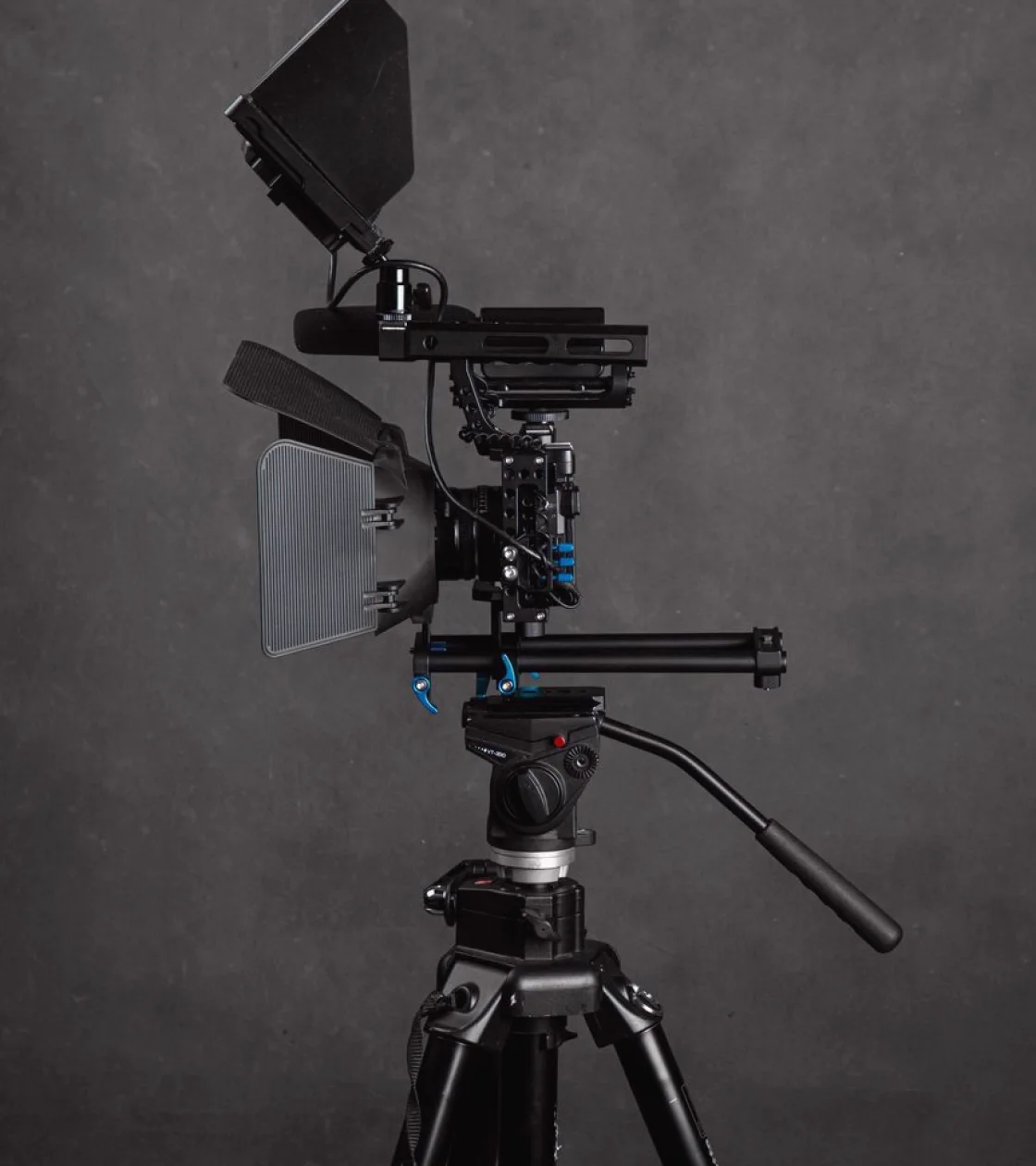
Sam runs events for a regional business group, and in early autumn he rang us about an awards evening that had grown beyond what his small team could handle alone. The evening was to be streamed and recorded for later broadcast, with around a dozen presentations, two short musical performances and a guest speaker who tended to overrun.
What worried him was not the cameras themselves. He had hired good people before. His concern was that nobody owned the whole evening: the venue, the speakers, the stage manager and the camera operators each had a version of the schedule. He asked whether we could take responsibility for how the evening ran, from the first rehearsal to the final applause.
I took the job on as Head of Production and said plainly that the first task was paper rather than equipment.
Before anyone talked about camera positions, we sat down with Sam and wrote out the evening minute by minute. Each line named the segment, who was speaking, what the audience would see, which camera or vision source covered it and what the audio engineer needed to have ready.
This took two long sessions and Sam found it tedious at first. Then he noticed how many questions it answered. Who hands the award over? Where do winners stand? Does the music act need a separate microphone check? Each gap we found on paper was a gap we did not find during the live show.
We gave every person on the crew the same printed document and a numbered version, so that a change made on Tuesday replaced the old copy rather than sitting beside it.
The hall was a converted assembly room with a raised stage at one end and a gallery along one side. We placed one camera at the back for the wide shot, one low and to the left for presenters and winners, and one on the gallery for audience reactions and the musicians.
Vision mixing sat in a small side room rather than in the hall, so the director and mixer could talk freely without being heard by guests. A single intercom loop linked the three camera operators, the stage manager, the audio engineer and the mixer.
We agreed a short vocabulary beforehand: how a camera is called, how a shot is confirmed, and what the stage manager says when a speaker leaves the lectern early. It sounds minor, but a shared vocabulary stops a crowded intercom from turning into noise.
We rehearsed on the afternoon of the event with stand-ins at the lectern. Within twenty minutes the rehearsal showed a problem: the winners' walk from the audience to the stage crossed the low camera's view and forced it to reframe awkwardly each time.
Rather than ask the operator to cope, we moved the winners' route to the opposite aisle and shifted the camera a metre along. Sam was reluctant to change the seating plan so late, but he saw the revised shot on the monitor and agreed within a minute.
That is the value of a full rehearsal. It is rarely about proving that the equipment works. It is about finding the awkward moment while there is still time to move a chair, a camera or a route.
The guest speaker was the part Sam had dreaded. He had a habit of speaking well past his slot, and the evening still had several presentations to follow. We built the answer into the run-of-show rather than leaving it to nerve.
The stage manager stood at the side with a discreet timing card, and the director agreed with Sam in advance that a short, polite signal would be given at two minutes remaining. The vision mixer prepared a cutaway to the audience so a graceful close could be covered if needed.
On the night the speaker ran a little over, saw the card, and wrapped up within a minute. Nobody in the hall noticed anything unusual, which is exactly what we aimed for.
Afterwards Sam told me that the evening felt calm from his seat, which he had not expected. He had spent previous events anxiously checking whether the next segment was ready, and this time he simply watched the programme.
He kept the run-of-show document and now uses its layout for his smaller internal events. That pleased me more than any comment about the picture quality, because it meant the planning method stood on its own once we had left the building.
There was no single dramatic moment in the night. The work was in the weeks of preparation and the written plan, and the evening itself was the quiet result.
Live event production is largely a matter of deciding things early and writing them down. For Sam's evening, that meant one schedule, a shared way of speaking on the intercom, a rehearsal willing to change the plan and a calm plan for the guest who overran. If your own event has several people each holding a different version of the day, that is the place to begin.
Keep reading
Portrait Sessions in Autumn: Planning Light for Shorter Days
Daniel Whitcombe on preparing presenter and guest portrait sessions in the darker months: studio light, room temperature, wardrobe and scheduling so the stills stay consistent.
What Does a Live Event Production Crew Actually Do on the Day?
The question we hear most from organisers is what happens between doors opening and the final fade. Helen Marsh walks through the crew roles, the run-of-show and the decisions made live.