
Portrait Sessions in Autumn: Planning Light for Shorter Days
Daniel Whitcombe on preparing presenter and guest portrait sessions in the darker months: studio light, room temperature, wardrobe and scheduling so the stills stay consistent.
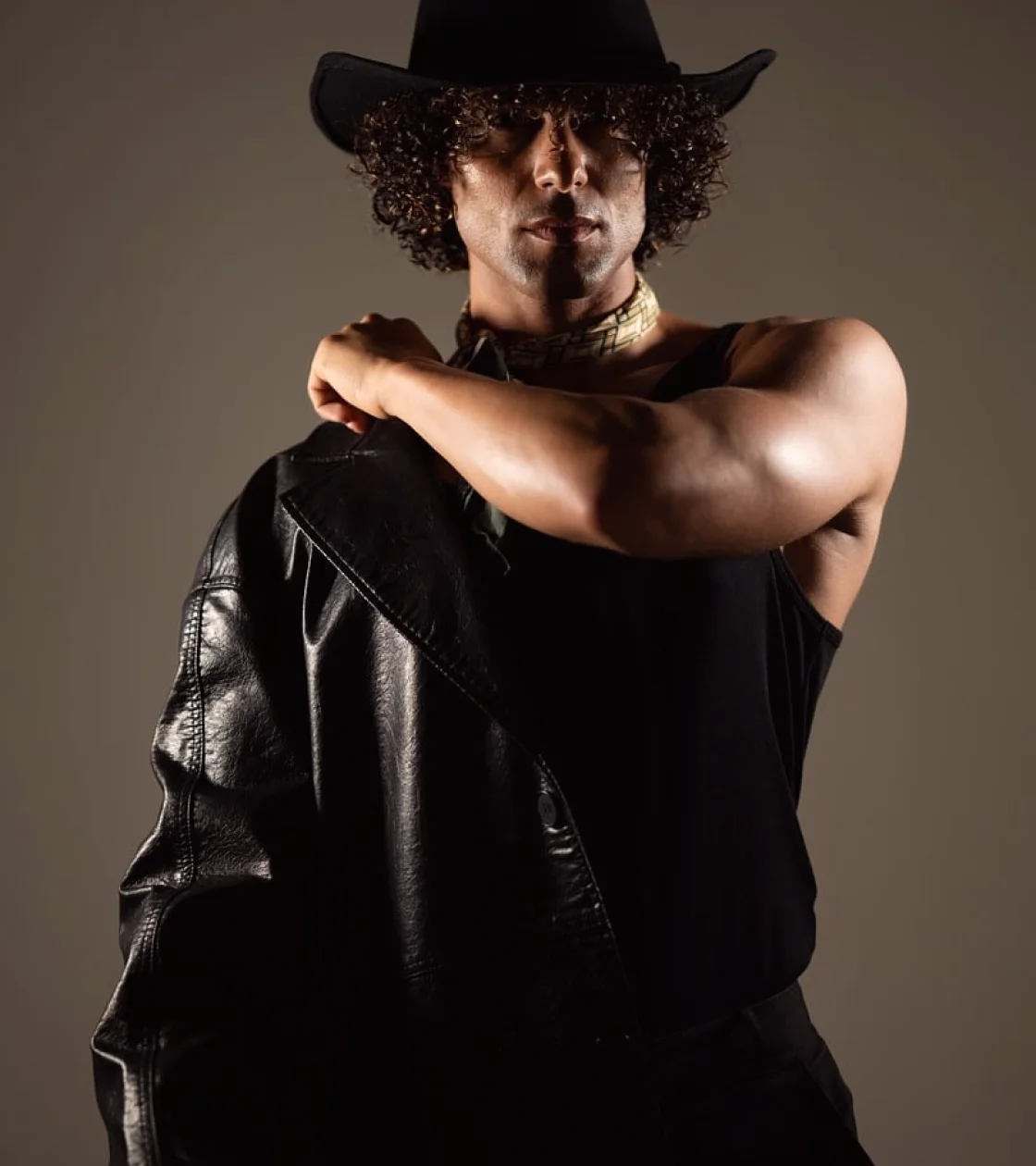
Mid autumn brings a pattern we see every year in the Taunton studio. Presenters return for new series, guests are booked for programme launches, and promotional stills are needed before the winter schedule begins. At the same time the daylight outside shrinks, and anyone who arrives straight from a grey, damp morning looks different from the person who sat for last spring's photographs.
That difference matters more than most people expect. A portrait session is meant to give a presenter a consistent face across a season of programmes, trailers and press material. If the stills are made under light that has drifted from what viewers see on screen, the two never quite match.
So the first piece of autumn advice is simple: plan the session around the studio, not the weather. A controlled room gives the same light at nine in the morning and at four in the afternoon, and that is the whole point of booking one.
Daylight leaking through a window or a half-closed door is the usual enemy of a portrait session in the darker months. It shifts in colour as cloud thickens, and it mixes with the studio lamps so skin tones wander from frame to frame. We close it out completely and light the face with sources we can measure and repeat.
A soft key light placed slightly above eye level and a little off to one side suits most faces and keeps the shadows gentle. A reflector or a low fill on the opposite side lifts the area under the chin and the eye sockets without flattening the face. Once the balance is set, we note the positions so a second guest or a retake the following week matches exactly.
The practical gain is time. When the light is settled before anyone sits down, the session can spend its minutes on expression and posture rather than chasing exposure.
Colder weather changes people. Skin can look drier, noses redder after the walk from the car park, and hair carries static from hats and scarves. Allow ten minutes at the start of each sitting for the guest to warm up, settle and have a quick tidy before the first frame is taken.
Wardrobe deserves a conversation beforehand. Autumn invites deep greens, rust and heavy knits, and those colours can swallow a face under strong lighting or clash with a coloured studio backdrop. We ask presenters to bring two or three options and we test them against the background before committing.
Fine stripes and tight checks can shimmer on camera, so we usually steer people away from them. Plain mid-tones with a little texture photograph well and sit comfortably alongside the programme's on-screen look, which keeps stills and broadcast material feeling related.
For portrait stills we favour a modest aperture that keeps both eyes sharp and a shutter speed well clear of any flicker from the lamps. Fixed white balance, set from a grey card at the start of the session, stops the colour wandering as the afternoon passes and as lamps warm up.
We shoot a few frames of the grey card every time the lighting is touched. It costs seconds, and it saves a surprising amount of correction later when several guests need to look as though they belong to the same programme.
Tethering the camera to a monitor lets the guest and the producer see results as they happen. People relax when they can see that the picture is working, and decisions about crop and expression are made on the spot rather than in a rushed review days afterwards.
Short days tempt organisers to squeeze every guest into one tight block. Resist that. Fifteen to twenty minutes per guest is realistic for a simple headshot, and a presenter wanting several looks needs more. Build in a gap between sittings so the light can be checked and the next person is not rushed in with the last one still packing up.
Morning slots suit most people best, since they are fresher and the room has had time to reach a steady temperature. We keep the studio comfortably warm without making it stuffy, because a flushed face is hard to correct and a shivering one is hard to relax.
Send guests a short note the week before covering arrival time, parking, what to wear and who will be in the room. People who know what to expect arrive calmer, and calm faces photograph far better than anxious ones.
Decide what the pictures are for before the day arrives. Press stills, programme artwork and social thumbnails each want different crops and sometimes different expressions, and it is far easier to shoot for all of them in one sitting than to recall a presenter later.
Bring a list of the guests, the order you want them in and any wardrobe constraints from the production. Tell us if a particular backdrop or colour is already used on screen so the stills can echo it. We will plan the lighting from that brief and confirm the timings in writing.
If the session is part of a wider launch, mention it early. Portrait lighting, camera set-up and the studio's calendar all benefit from a few weeks of notice, and the autumn weeks fill quickly.
A good autumn portrait session is mostly preparation: a studio closed to daylight, a fixed light plan, wardrobe tested against the backdrop and a schedule that leaves room to breathe. Do those things and the stills will match what viewers see on screen all winter. If you are planning a session for the coming months, get in touch through the contact page and we will talk through the timings.
Keep reading
What Live Event Production Costs and What Moves the Price
A plain look at how crew size, hours on site, camera count and rehearsal time shape the cost of live event production, and which choices change a quotation most.
Audio Mistakes We See in Rehearsal and How to Avoid Them
Most audio trouble on a live show starts days before transmission. Priya Nair walks through the common microphone, mixing and monitoring mistakes and the habits that keep speech clean.