
A Three-Camera Talk Show That Stopped Fighting Its Own Pictures
Tom Eastley recalls a regional presenter-led show whose three cameras never quite matched, and how a methodical camera setup brought the pictures into line before transmission.
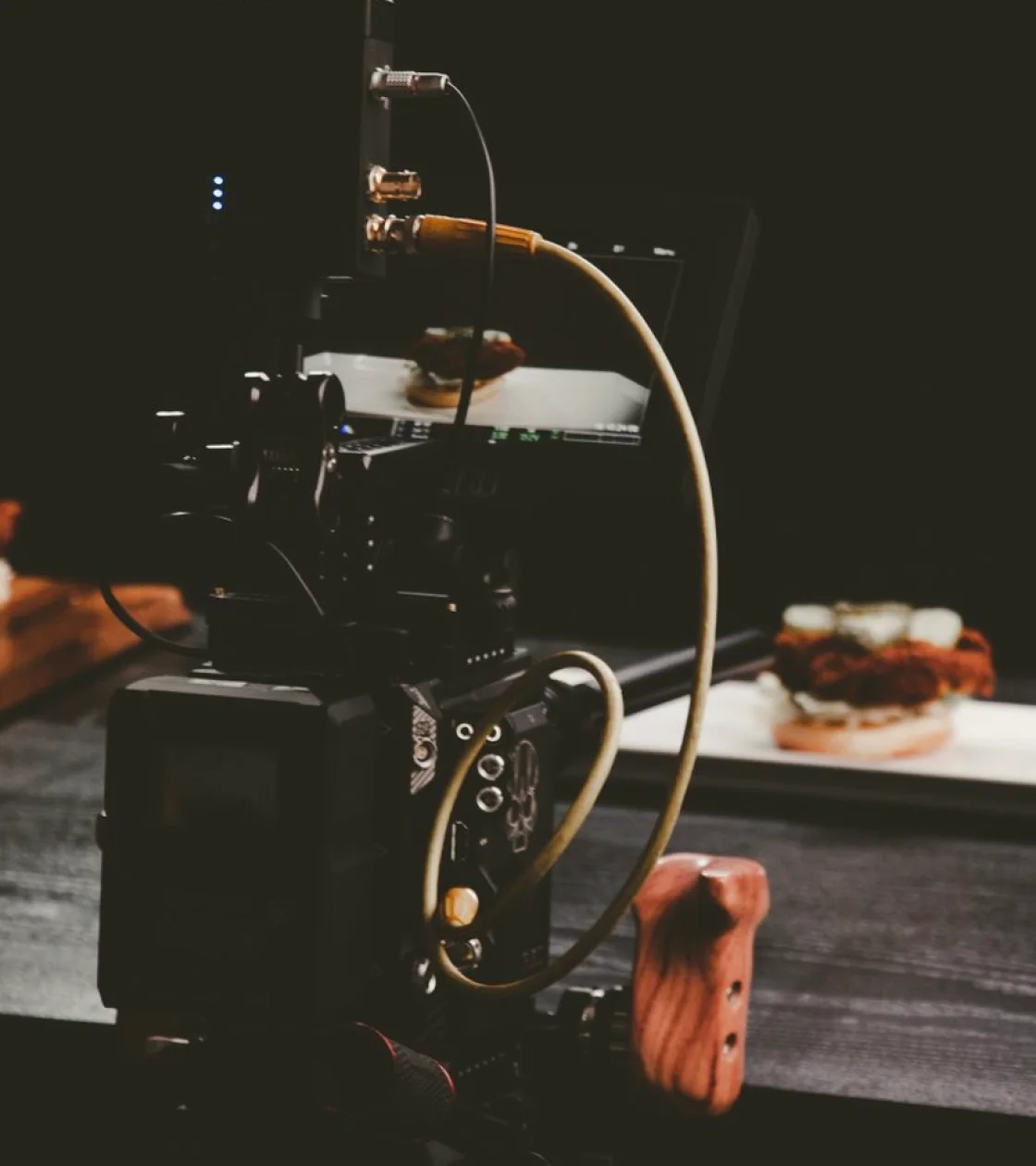
Early this autumn Rachel, a producer running a weekly presenter-led programme for a regional channel, rang us with a problem she could describe but not name. Her show used three studio cameras, and every week the editor complained that the shots would not cut together. The wide looked warm, the close-up on the presenter looked slightly green, and the guest camera seemed softer than the other two, even though all three were pointed at the same desk.
She had already swapped a lens and rebooked the lighting twice, with no lasting change. What she wanted was someone to look at the whole chain rather than one part of it. I said I would come to the studio on a rehearsal day, watch the crew work as they normally did, and only then suggest anything. I asked her not to tidy up beforehand, because the untidy version is the one we needed to see.
The first hour was spent simply looking. The three cameras were from different generations and had never been set up as a group. Each operator had adjusted their own camera by eye to suit the monitor in front of them, and those monitors were not matched either. The colour difference Rachel had noticed was real, but it came from several small decisions, not one large fault.
The soft picture on the guest camera turned out to be a back-focus issue that had crept in after a lens change months earlier. Nobody had checked it because the camera looked acceptable on a small viewfinder. On a larger monitor in the control room it was plain. None of this was careless work. It was the ordinary result of a system that had grown piece by piece without anyone owning the whole picture.
Before touching any camera we agreed a reference. We placed a grey card and a chart on the presenter's mark, set the studio lighting to its normal show state, and matched the control room monitors so that everyone was judging the same thing. Without a shared reference, tuning cameras only moves the disagreement from one screen to another.
Then we worked through the cameras one at a time. White balance first, then exposure, then black level, then the colour matrix where the older body allowed it. Each change was checked against the other two on the vision mixer, cutting between them until the transitions stopped drawing the eye. It is slow, repetitive work, and Rachel admitted she had expected something more dramatic from a specialist visit.
With colour settled, we turned to the soft guest shot. We re-seated the lens, set back-focus on a distant target with the iris opened up, and confirmed the result on the large monitor rather than the viewfinder. The picture sharpened immediately, which made the operator laugh, because he had suspected something was off for weeks.
We also looked at how the cameras were framed. The wide shot sat slightly higher than the others, so every cut to it shifted the desk upward on screen. We agreed simple marks for the three standard shots and wrote them on a card taped beside the control desk. Small habits like this matter, because a show is cut live and nobody can fix a jumpy transition afterwards.
The following week we returned for a full rehearsal with the presenter and a guest in the chairs. This time the director cut through the running order without stopping, and the editor, who sat in to watch, said very little, which Rachel took as the best possible sign. Skin tones held steady from camera to camera, and the desk stayed where it belonged in each shot.
We spent the rest of the day with the crew rather than the equipment. Each operator learned how to recheck their own camera against the reference in a few minutes before a show, and the director kept the settings in a short written note. The aim was that the studio would not need us to keep the pictures consistent from one week to the next.
The lesson I keep from Rachel's studio is that matching problems rarely sit in one place. A green tint, a soft lens and a jumpy wide shot looked like three faults, but they shared one cause: nobody had treated the cameras as a single system. Once the system had a reference and a routine, the faults stopped reappearing.
For anyone running a multi-camera show through these darker autumn weeks, when studio schedules fill up, my advice is modest. Set the cameras against a common reference, judge them on matched monitors, and write down what you settled on. It costs a morning, and it saves a long argument with the edit suite later.
Rachel's show now goes to air with three cameras that look like one system, and her crew checks them against the shared reference before each recording. Nothing about it was exotic: a common reference, matched monitors, a corrected lens and a written routine. If your own pictures refuse to cut together, start by asking whether anyone owns the whole chain, and begin the tuning there.
Keep reading
Audio Engineering: A Checklist Before You Decide on Your Sound Plan
Before you commit to an audio plan for a programme or live event, these are the questions worth settling: sources, monitoring, rehearsal time and who owns the mix on transmission day.
Lavalier or Handheld Microphones for Presenter-Led Shows: Which to Choose
A comparison of lavalier and handheld microphones for talk shows and live events, covering speech clarity, handling noise and crew effort, with a clear recommendation from the audio desk.
What Lighting Design Costs and What Moves the Price
A plain account of how lighting design for studio sets and live stages is priced, which parts of a brief raise or lower the figure, and what to settle early.